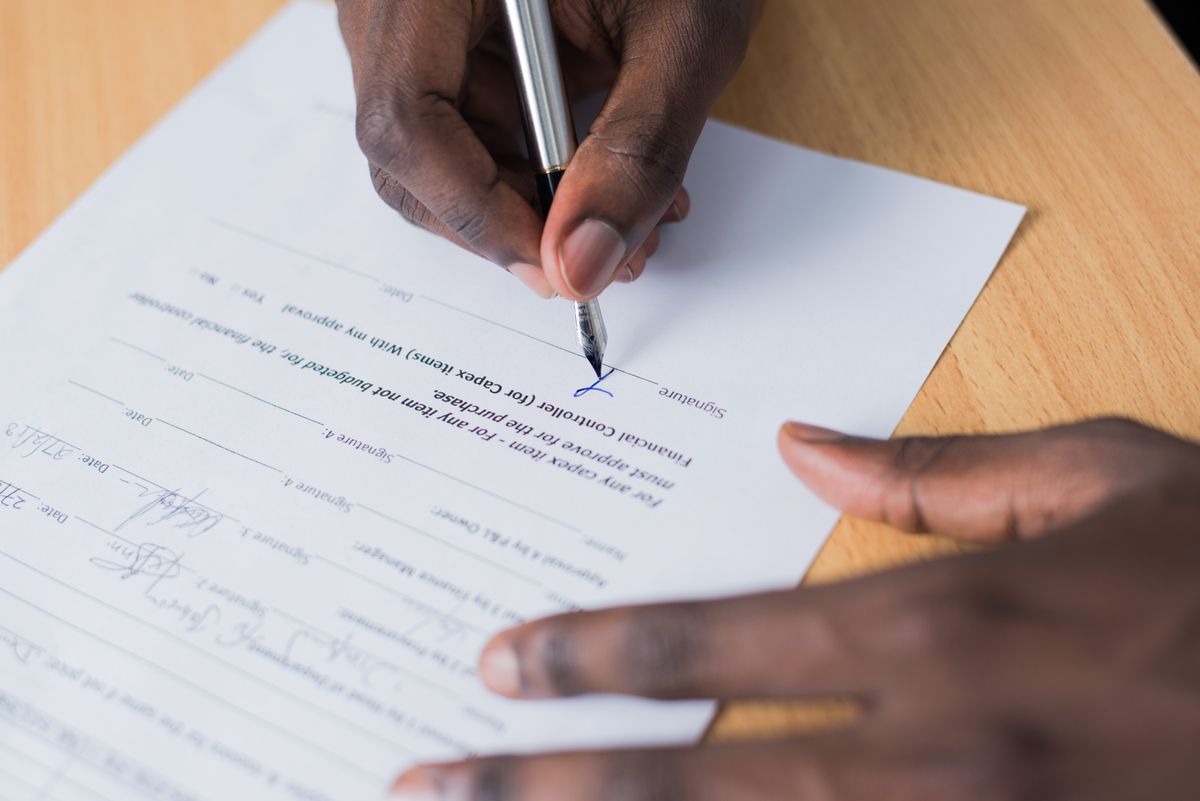


Most business owners plan carefully for growth — new hires, new markets, new revenue lines. Far fewer plan for what happens if they, or a co-owner, suddenly can't continue in the business. That gap is exactly what a buy-and-sell agreement is designed to close.
A buy-and-sell agreement is a contract between business owners that sets out, in advance, what happens to an owner's share of the business if they die, become permanently disabled, retire, or choose to exit. Rather than leaving those questions to be worked out in the middle of a crisis — often between grieving family members and remaining business partners who may have very different priorities — the agreement settles the terms while everyone is thinking clearly.
Two elements make the agreement work in practice. The first is the agreement itself: who buys, who sells, at what valuation, and under what circumstances. The second, often overlooked, is the funding mechanism — typically a life and disability policy on each owner, structured so that the funds needed to buy out a departing owner's share are available exactly when they're needed, rather than forcing a fire sale of business assets or an uncomfortable renegotiation of terms.
Without this in place, a surviving family member can end up as an unwilling co-owner of a business they have no interest in running, while the remaining owners are left without the capital to buy them out. Both outcomes tend to damage the business at the exact moment it can least afford it.
If your business doesn't have a buy-and-sell agreement in place — or hasn't reviewed one in a few years — it's worth a conversation with our Business Suite team to see how your business would actually hold up under this kind of test.